Vitor Camargo, Slot Tester and Editor
The analyst behind these pages, Vitor Camargo, tests and signs every one of them on Touro Sortudo, and the supplier claim gets checked in the one regulator register that publishes a downloadable file, which belongs to Great Britain — not the market these pages are written for, because Brazil registers betting operators rather than game studios. The maker leaves the RTP field on its own page for the game empty, while the running client prints a return and a cap on one screen, so no number is quoted here without naming which surface printed it. This profile sets out the method, the 2 sections covered, the 9 signed pages, and how to reach the editors.
Table of contents
About This Reviewer and the Byline
The byline is a role, not a resume. The reviewer byline on Touro Sortudo belongs to a narrow role. Play the title in the developer's own free demo, read the paytable and the rules screen end to end, then report only figures that Pragmatic Play, the game server or a licence register has put on record. Tests one slot at a time and prints only what the game itself, its server or a public register will back: opens the title in the maker's own demo and logs every round the game server returns, reads the rules screen from the first line to the last so the figures a studio leaves off its website can be named, pulls the launch configuration to see the numbers printed on no screen at all, puts the same question to the game servers of dozens of other titles from the same studio so a single figure can be placed in its catalogue, and reads the regulator's own files — the register that lists the maker, and the decree that changed what is legal here — instead of taking a footer or a catalogue at its word.
Every page here is written, tested and signed by the same person. Corrections reach Vitor Camargo directly at [email protected]: send the sentence you dispute with the document that contradicts it, and the reply comes from whoever wrote the line rather than from a support queue. A page that changes keeps its update date, and the correction is named in it.
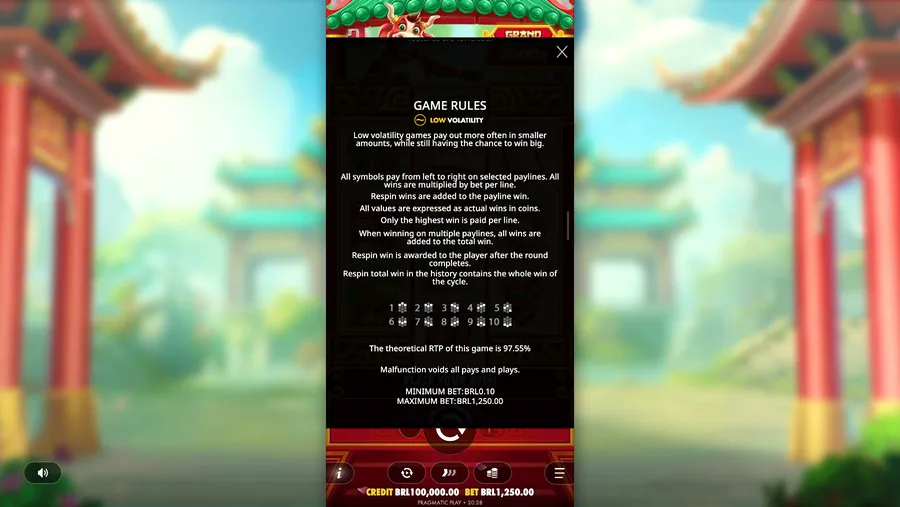
What sits behind the byline on this game is a record with dates, which is a different thing from a title. The maker's public demo was played on : 275 paid rounds across five series, a measured run of 67 of them at a 2.00 bet that staked 134.00 and returned 104.00, no bonus round at any point, and a best single result of 60.00. The rules screen was read end to end in two currencies, the stake stepper was walked to both of its stops, and the launch configuration the game server sends was read line by line. That configuration carries the return of 97.55%, the 5,000x cap, the bet ladder and one figure that reaches no screen at all: a maximum-win chance of one in 1,666,666,667 spins. The maker's game page, 80 further game pages from its catalogue and its own sitemap of 625 addresses were saved to disk, so every figure here can be re-read instead of recalled. The same init request was then sent to the game servers behind 80 other titles, 61 of which answered with a return, which is how one figure could be placed against its own catalogue.
What this byline does not claim is as short as what it does. No degree, no certification, no employer in the gambling industry: the qualification on offer is the record above, and a reader who doubts it can repeat every step in an afternoon. No real-money play stands behind any page here, because none happened - the one recorded session ran on demo credits. No relationship exists with Pragmatic Play or with any casino, paid or otherwise. And no laboratory certificate for this title was read, because none is published for it.
In Short, What the Analyst Signs
Here's the deal on this profile: it's a method, not a resume. Every figure on the 9 pages is printed beside the document it came from, and the schema names a role because a role is what can be verified today.
If a number isn't printed by the provider, an operator or a regulator, the page says not confirmed and moves on. That's the whole promise, so the sections below simply show it working.
- Role
- Slot Tester
- Focus
- One slot, its maths and the screens its maker prints them on
- Method
- Demo first, paytable checked against the rules document, sourced numbers
- Scoring
- 1 to 10, across 5 named criteria for a game verdict
- Writing since
- Contact
- Editorial contact page

What Should You Check Before You Start?
Four checks are worth making before you start, and the free demo makes every one of them available for nothing. Open the rules screen first, then compare what it prints against what the maker publishes on its own game page.
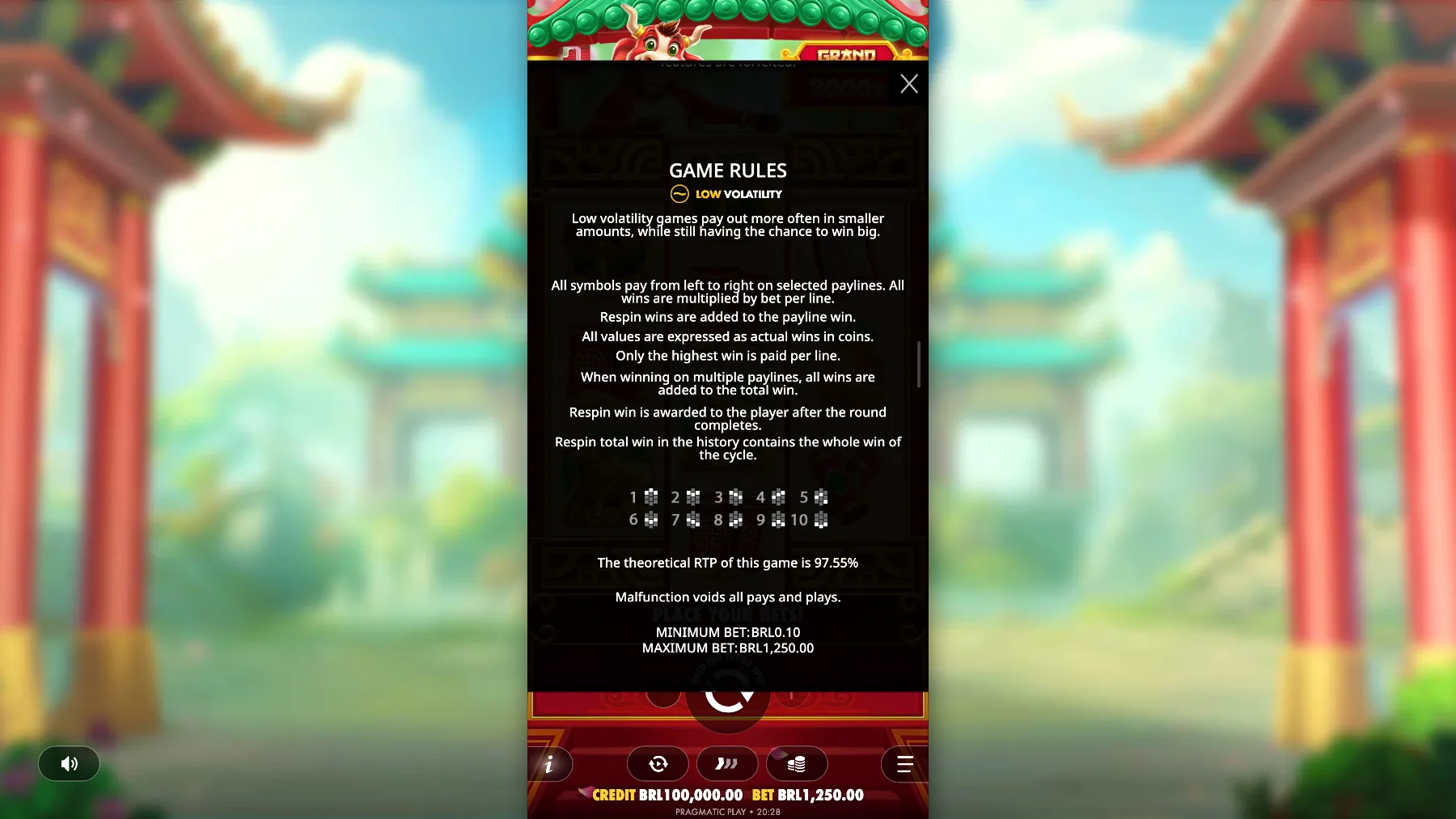
- Open the free demo and read the rules screen to the end, where the return figures sit.
- Compare that figure with the maker's own page for the game, which prints no return at all.
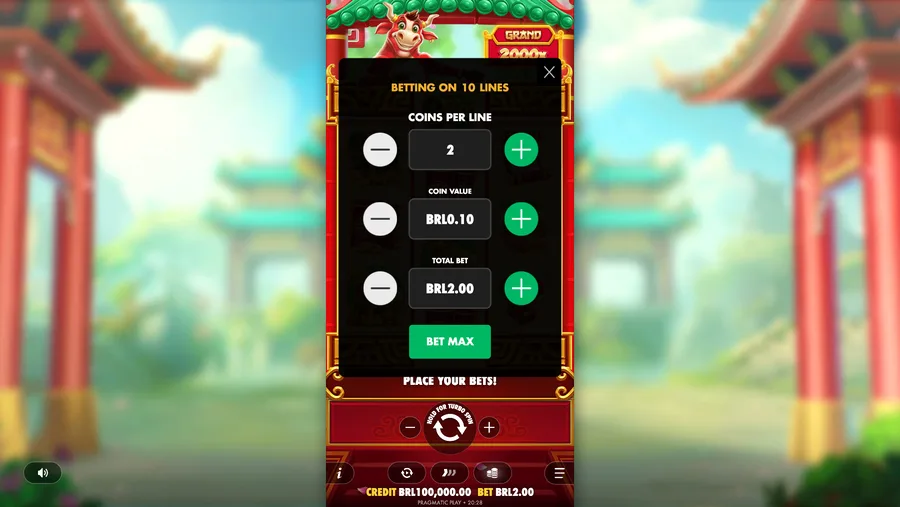
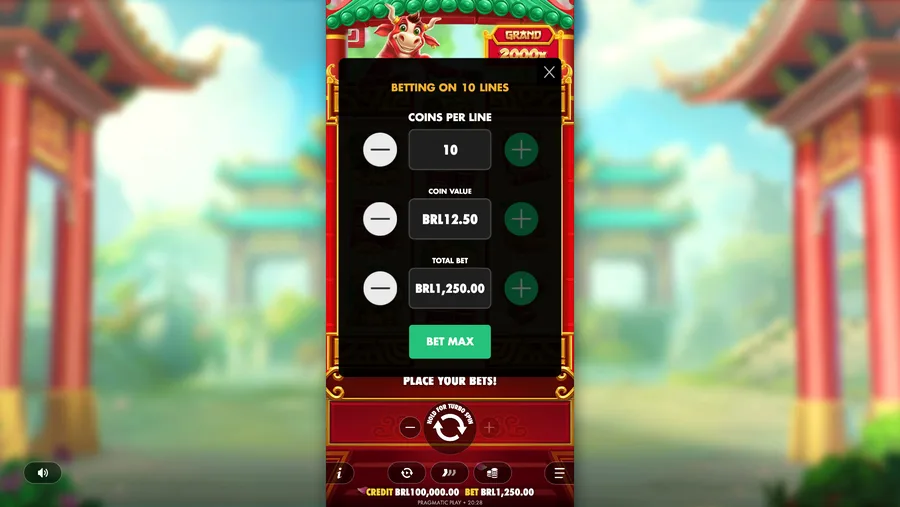
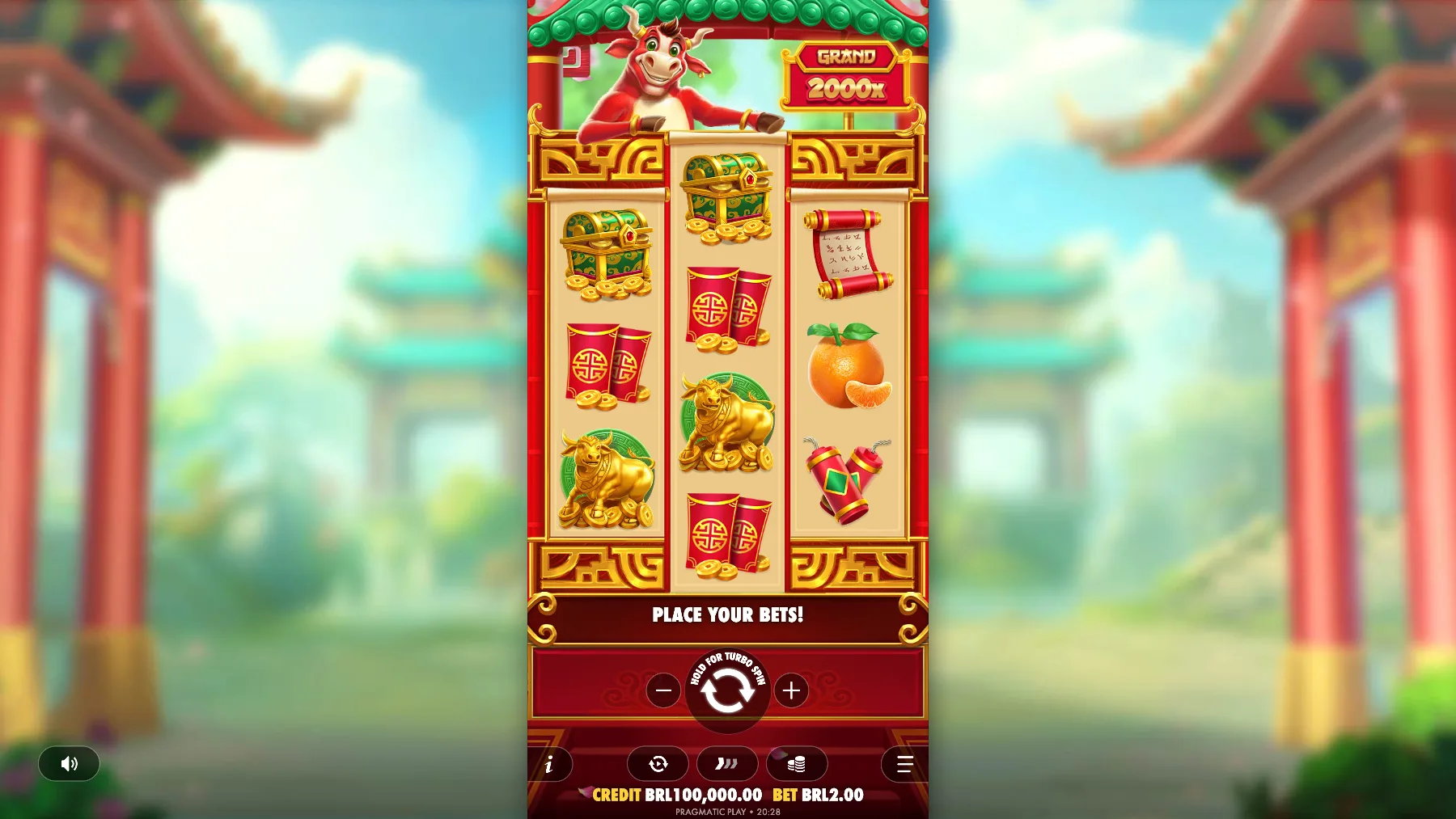
- Change the stake and watch the cap in money, which is how you learn that the 5,000x ceiling is worth 500.00 at the smallest stake and 6,250,000.00 at the largest.
- Walk the stake stepper to both stops and read the rules screen, which states both ends of the range in plain words.
The same client is what a casino loads, so the check above is the one a reader can repeat before depositing anywhere, and all 9 pages here are dated. Doing this in advance turns the rest of this profile into a cross-check instead of a claim.
How This Analyst Tests a Game
The analyst starts every test in the free demo client, because a demo is the one place where a slot runs without a stake and without an operator account. Vitor records each session and writes down the bet, the running balance and the outcome of every spin.
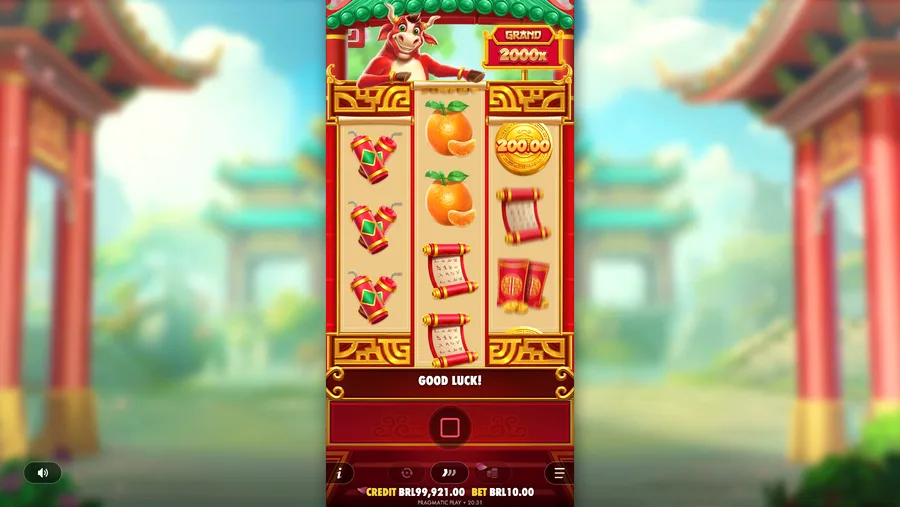
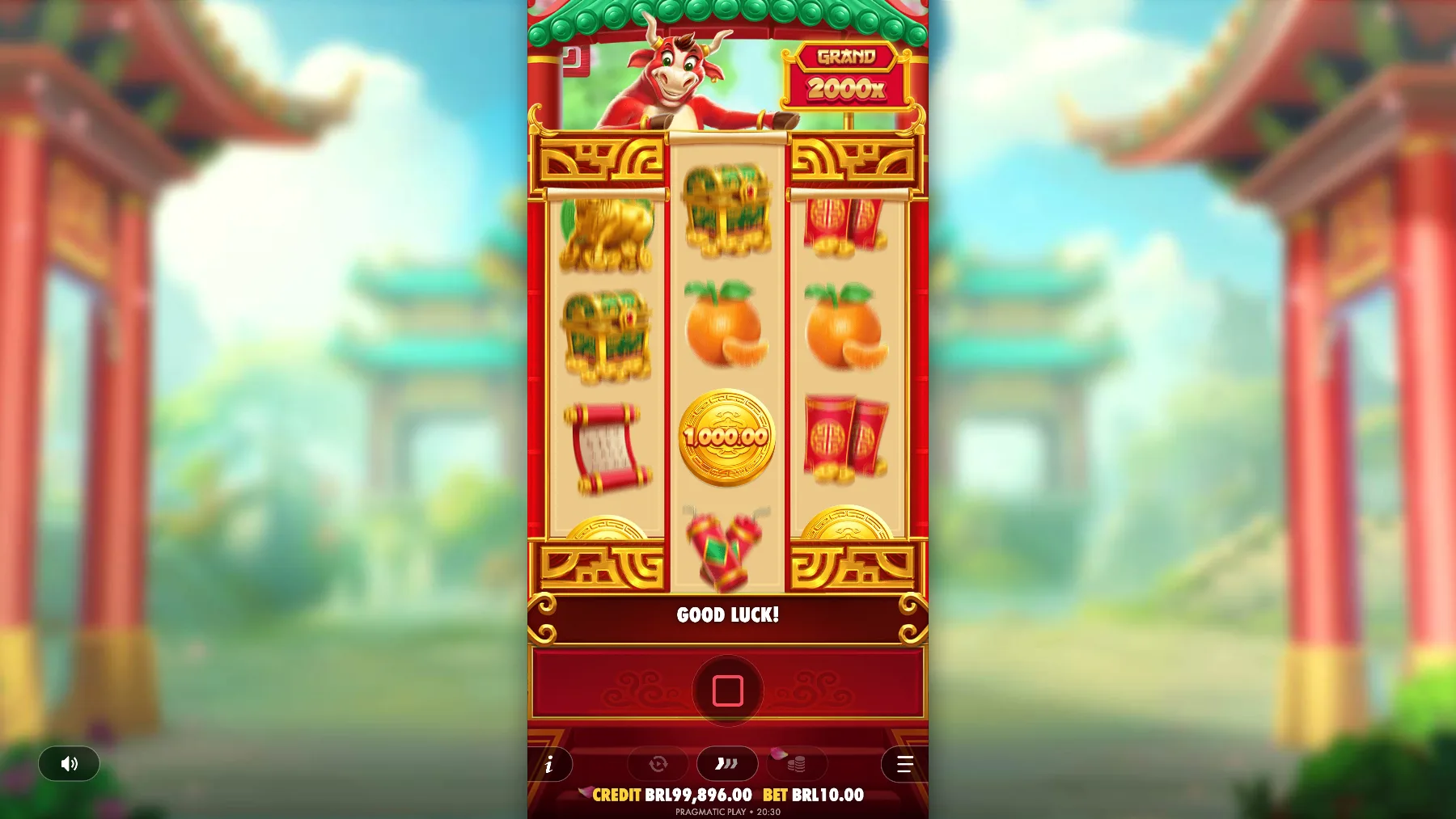
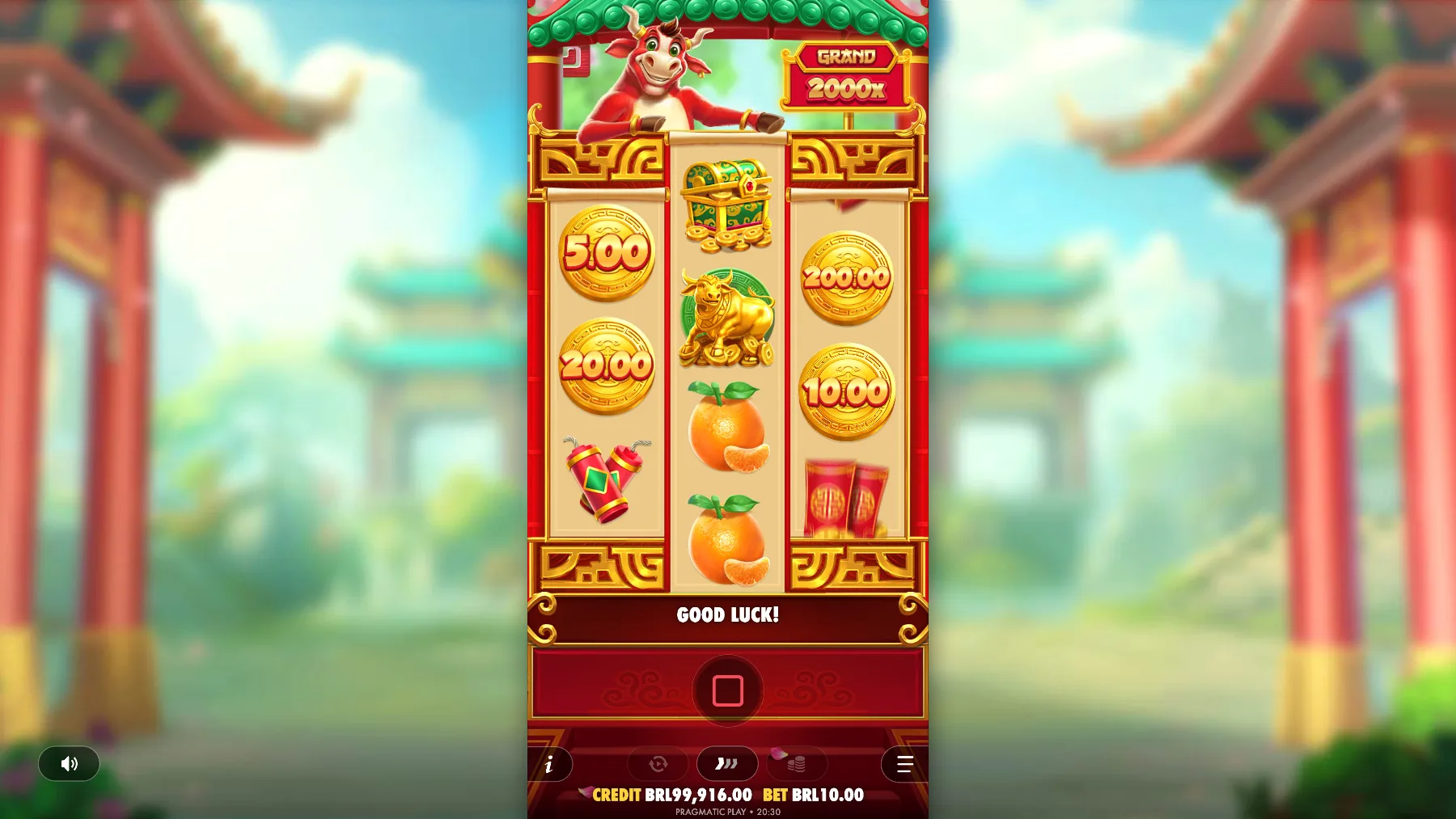
One recorded session stands behind every first-hand sentence here. The spin button went down 275 times across five series, the measured one ran 67 rounds at a 2.00 bet and came back 30.00 behind, and not one Hold & Spin round turned up in any of them. That is far too small to measure a return, and it is labelled that way wherever it appears.
Only then does the analyst read the maker's current game page, its rules document and the configuration its own server sends the client. Testing happens in play money, so nothing here describes a deposit, a withdrawal or anything a casino account does. That limitation is printed on every page it touches.
There is no seed-and-hash panel to re-check here, and no page pretends otherwise. This is a reel game whose maker says it runs on a certified generator, so a single spin cannot be recomputed by anyone, and the analyst records what the client prints and checks the studio licences by number instead. The full procedure sits on the testing method page, which every review links from its byline.
5 Types of Check, Compared in a Table
No criterion outweighs another. Five criteria carry the same weight in every game verdict, and each one measures a separate thing, so a page states them instead of blending them into a mood. The return figure, licensing, the feature, the bet grid and disclosure all count the same, which makes the headline figure their plain average.
| Criterion | What is verified |
|---|---|
| Return figure | Whether one figure is published, whether the running build prints the same one, and whether a bought feature changes it. |
| Licence and certification | Whether the supplier appears in a register a reader can download, and whether any laboratory certificate names this title. |
| The feature | What starts Hold & Spin, how its three respins reset, and what the rounds we recorded actually paid. |
| Bet grid and ceiling | Every step of total bet the panel offers, read twice, and whether the player is ever shown the range at all. |
| Disclosure | Whether every number on the page can be traced to a source a reader can open. |
Which Score Means Play Again?
Seven out of 10 is the line where a game earns a replay. A score of 7 or higher means the analyst would open the demo again. A score of 5 out of 10 or lower arrives with a named alternative, so a reader always has somewhere better to go.
The score appears in the first 100 words of a review and again in the verdict. A reader who stops early still leaves with the answer, which is the point of printing it twice.
What This Analyst Covers, and Its Limits
This analyst covers one game, and nothing else. Coverage stays deliberately narrow, and compared to a multi-game portal that is the whole point. The subject is this title and what surrounds it: the one return figure the client prints and the maker's own page does not, the odds of the ceiling that reach no screen at all, the ten fixed lines and what they can pay, the MONEY coins that pay nothing until five arrive, and the law that decided where any of it may be played. Since 2026 that has produced 9 pages: 2 sections plus the front page.
The list of pages below runs in reading order. Start with the Touro Sortudo review for the verdict, then move to the return reference page for the figure behind it. Pragmatic Play supplies the game, and it also supplies every figure this site checks, which is why the pages are built around the places where one of its screens disagrees with the next.
- Mechanics and controls, learned and recorded in the free demo.
- The bet grid, walked to both of its stops rather than copied from a specification.
- The supplier claim, checked against the one register in this trade that publishes a file anyone can download.
- The studio's own game page and catalogue index, saved to disk so any figure can be re-read rather than recalled.
- Responsible gambling limits and warning signs, with the tools a licensed account actually offers.
The gaps in the public record are worth naming out loud, and several of them are real, so they are printed as problems instead of hidden.
Here is the shortlist a reader should carry into any casino lobby. No laboratory certificate names this title anywhere, and Brazil's own register lists betting operators rather than game studios, so the register opened here was Great Britain's, and the one figure the maker does compute for the ceiling is switched off before it reaches the screen. Each of those gaps is printed where it applies.
What Is Verified, and What Is Not?
The verified list starts with the bet grid. It was read twice and the two readings agreed: a step at a time on the panel, and out of the launch configuration the client receives. A ladder from 0.10 to 1,250.00 in reais, built from coins per line and coin value, with the rules screen stating both ends of the range in plain words.
The win cap was verified the same way, and it needed to be: the loading screen, the rules screen and the launch configuration all carry it. Changing the stake from 0.10 to 1,250.00 left the 5,000x unmoved, which is how the figure was established as a multiplier rather than a sum.
The limits are just as real. A spin cannot be recomputed, no laboratory publishes a certificate naming this title, and the odds of the advertised ceiling never reach the screen even though the server computes them, so each of those stays an absence rather than an estimate. You will see each gap stated instead of smoothed over.
Pages This Analyst Has Signed
The index below is generated from the database instead of typed by hand, so every one of the 9 content pages appears in it, each with its section and the date of its last edit. A page therefore cannot quietly drop out of the list.
A page that was merely rebuilt keeps its old date, because a build is not an edit. However, a page re-checked against a changed operator term gets a fresh date the same day, so you can tell one page from another at a glance.
Each page in the index carries its section beside it, and each links straight through to the work itself. A page edited this morning shows that date; a page merely rebuilt keeps the older one.
| Page | Section | Last edited |
|---|---|---|
| Touro Sortudo Slot Review: 97.55% and a Blank Field | Home | |
| Touro Sortudo Demo: Play Free, No Account | Guides | |
| How to Play Touro Sortudo: Bets, Lines, Coins | Guides | |
| Where to Play Touro Sortudo After the Brazil Ban | Guides | |
| How to Win at Touro Sortudo: What the Maths Allows | Guides | |
| Touro Sortudo RTP: 97.55% and an Empty Field | Reference | |
| Touro Sortudo Max Win: 5,000x and Its Real Odds | Reference | |
| Touro Sortudo Paying Hours: Why There Are None | Reference | |
| Touro Sortudo 1000: The Version That Does Not Exist | Reference |
Every page above is a page the analyst has read end to end, and no page enters the list until its sources are checked. The date shown on each page is the one of its own last edit.
Terms This Profile Uses
- Return to player
- The share of all stakes a game hands back over a modelled long run; the running build prints one figure, 97.55%, and the maker's own page for the game leaves its RTP field empty.
- Certified generator
- A random number generator audited by an outside laboratory, which a player has to take on trust because no certificate names this title.
- Hold & Spin
- The respin round that freezes MONEY coins in place; it ends when the respins run out or the screen fills, and the 5,000x cap ends the round wherever it is reached.
- Not confirmed
- The label printed whenever no provider page, operator term or licence register states a figure the reader asked about.
Where the Game and Its Own Page Disagree
The game is consistent with itself: its rules screen and its game server state the same return. The gap runs between the running game and the page its maker publishes, so the table sets the surfaces beside one another instead of picking a winner. Readers can then weigh each figure against the screen that printed it.
| Where the figure comes from | What it prints | How it is treated |
|---|---|---|
| The maker's public game page | An RTP field with nothing in it | Empty on all four language versions we read, while 79 of 80 other pages in the same catalogue print a figure |
| The rules screen inside the client | 97.55% return and a 5,000x cap | Treated as the figures of the build actually loaded, because the game server fills these lines in at launch |
| The game server, asked directly | 97.55% return, maximum win 1 in 1,666,666,667 | The deciding reading for this build, and the only place the odds of the ceiling appear at all |
| Third-party catalogues | 97.55% return, volatility medium | The return matches, the volatility does not: the game labels itself LOW on its own loading screen |
The Sessions on Record
One recorded session stands behind every first-hand sentence on this site, and it ran on play money alone. Splitting it below separates what the run cost from what came back, and the bonus round is absent from both columns because it never started.
| What was recorded | Measurement | What it means |
|---|---|---|
| Paid rounds | 275 across five series, 67 of them measured at a 2.00 bet | Fourteen of the measured 67 paid something, which is 20.9% of that series and not a statement about the game |
| Hold & Spin rounds reached | None across 275 rounds | Not a statement about the game: the rules say it can start on any spin, and in our run it never did |
| Measured series | 134.00 staked, 104.00 returned | A net 30.00 behind and a 77.6% return, which over a run this short says nothing about the long term |
| Best single result | 60.00 at a 2.00 bet | Thirty times the bet, against a published ceiling of 5,000 times the bet |
What the Client Prints for Itself
The paytable and the settings panel print their own figures, and the analyst copies them exactly as they appear. Every row in the table below comes off a screen we read ourselves.
| Field | Value as shown in the client |
|---|---|
| Return figure | 97.55%, printed on the rules screen, and nowhere on the maker's own page for the game |
| Grid and lines | Three reels showing three, four and three symbols, with ten fixed paylines |
| Bet range | 0.10 to 1,250.00 as a total bet in reais, read off the panel and off the launch configuration |
| Win ceiling | 5,000 times the bet, printed in the rules, and the round ends the moment it is reached |
Corrections, Contact and the Reply Rule
Corrections travel one way only. One page, one sentence and one document settle most of them. They go through the contact page: name the page, quote your sentence, attach the source you believe is right. If your source holds up, the page changes and its update date moves. Where two sources disagree, they are printed side by side, with a note on which one the studio stands behind.
- Send the page URL and the exact sentence you dispute.
- Attach the document that shows the correct value.
- Give the date you read that document, because operator terms move.
- Say whether you want to be credited by name.
Readers who want the whole procedure should read how we test it and the terms of use. Before any deposit, read the responsible gambling page; every page here is written for adults aged 18 or over.
Does a Demo Score Mean Anything?
A demo score means something narrow, and the page says so: it measures mechanics, licensing and sourcing, and it never measures how a bankroll behaves under real pressure.
Readers who want the wider answer should read the limits above before the verdict below. A score summarises a pile of documents and one recorded session, and nothing beyond that.
Recap: What These Analyst Pages Promise
Two promises close this profile. If you want the short answer on any figure, the rules screen inside the running client is the better source, and it wins over the marketing page every time. Nothing reaches a reader that a document does not already carry. Coverage runs to 9 pages across 2 sections and the front page, and every one of them carries a byline and two dates.
The weaknesses stay on the page beside the strengths, because a profile nobody could argue with is worth nothing. The about page explains where the money comes from, and why a commission leaves a score untouched.
This site takes no deposits and runs no identity checks; both stay off it entirely.
Related Reading on This Game
More on this game, from the same section first: